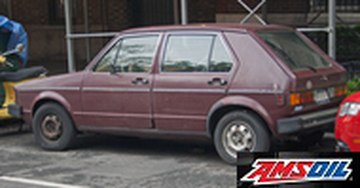
Maintaining the 1982 Volkswagen RABBIT 1.6L Diesel Engine
Owning a classic diesel vehicle like the 1982 Volkswagen Rabbit requires a disciplined approach to routine maintenance. Because diesel engines operate under different mechanical stresses than gasoline counterparts, consistent attention to lubrication and fluid integrity is vital for long-term operation. This guide focuses on practical service considerations and inspection priorities to help maintain the health of your 1.6L CR Diesel engine.
Monitoring Lubrication Integrity
The primary responsibility of engine oil in any internal combustion engine is to provide a consistent film that reduces friction between moving parts. For a diesel application, maintaining this film is essential for managing the heat and pressure generated during the combustion process. Over time, even high-quality lubricants can undergo chemical changes due to thermal stress and exposure to combustion byproducts.
Regularly checking the condition of your oil can provide insight into the engine's current state. When performing a routine check, observe the color and consistency of the lubricant. While diesel oil often appears darker than gasoline-engine oil shortly after use, any significant changes in texture or an unusual odor may warrant further investigation. If you notice signs of unexpected fluid loss or if the level frequently drops between service intervals, it is important to inspect the surrounding areas for evidence of seepage.
Practical Inspection Priorities
As vehicles age, certain components naturally become more susceptible to wear or environmental degradation. Rather than following a rigid replacement schedule based solely on the age of the vehicle, a more effective strategy is to prioritize inspections based on the actual condition of the parts. This approach allows you to address potential issues before they escalate into more significant mechanical concerns.
When performing a visual inspection of the engine bay, consider the following areas:
- Sealing Surfaces: Inspect various gaskets and seals for signs of age-related seepage or weeping. Even small amounts of moisture around sealing surfaces can indicate that a component is beginning to lose its effectiveness.
- Fluid Connections: Check hoses and connections for any signs of brittleness, cracking, or swelling. If the vehicle is equipped with specific cooling or vacuum lines, ensure they remain pliable and securely attached.
- Electrical Integrity: Examine accessible wiring and electrical connectors for signs of corrosion or fraying. Maintaining clean and secure connections helps prevent erratic sensor readings or starting issues.
- Drive Components: If equipped, inspect accessible drive belts for evidence of glazing, cracking, or fraying. A belt that shows signs of deterioration should be evaluated for timely replacement to avoid service interruptions.
Managing Long-Term Engine Health
Effective ownership of a 1982 Rabbit involves moving beyond simple reactive repairs and toward a proactive maintenance mindset. One of the most valuable tools an owner possesses is a detailed service history. Keeping a chronological record of every oil change, filter replacement, and mechanical repair provides a baseline that makes it much easier to identify when something is deviating from the norm.
If you have recently acquired this vehicle and do not have access to previous maintenance records, your first priority should be establishing a new baseline. This involves performing a thorough inspection of all fluids and major service items to determine their current state. Once a baseline is established, you can monitor changes in fluid consumption or mechanical behavior with much greater accuracy. For example, knowing exactly how much oil the engine typically uses allows you to recognize even minor increases that might indicate a developing issue.
Identifying Potential Service Needs
While many maintenance tasks are routine, certain symptoms should prompt a more detailed investigation. It is important to remember that a single symptom can be associated with various underlying causes, so observations should be treated as indicators rather than definitive diagnoses.
Be observant of the following:
- Changes in Engine Sound: Any new or unusual mechanical noises during startup or while idling may indicate that a component requires attention.
- Fluid Discoloration: If the oil or other vital fluids appear milky or contain visible particulates, this can be associated with contamination and should be investigated immediately.
- Exhaust Observations: Changes in the color or consistency of exhaust smoke can sometimes be linked to the engine's internal combustion efficiency or lubrication state.
- Warning Indicators: Any illumination of dashboard warning lights requires immediate consultation with the vehicle's specific service documentation to determine the appropriate response.
By staying attentive to these subtle changes, you can often address maintenance needs while they are still manageable and cost-effective.
Selecting Lubricants for Diesel Applications
When it comes to choosing a replacement lubricant, accuracy is paramount. Because different engines have specific requirements regarding additive packages and chemical stability, selecting a product that matches the engine's design is critical. For this 1.6L diesel application, you should not rely on general automotive knowledge or assumptions based on the vehicle's age to determine which oil to use.
Modern lubricant technology offers various formulations, including conventional oils, synthetic blends, and full synthetics. Some high-mileage oil formulations contain additives intended for use in aging engines, such as seal-conditioning agents that may help maintain the integrity of older gaskets. However, the choice between these options should always be guided by the specific requirements of your engine.
Buying Engine Oil for your 1982 Volkswagen RABBIT 1.6L
To ensure the continued health and performance of your engine, you must match the engine oil to the application-specific viscosity information shown on this page. Before making a purchase, always verify that the product labeling aligns with the requirements listed in your vehicle's technical data. When selecting a new container of oil, check for appropriate API certifications to ensure the lubricant meets modern standards for quality and protection. Whether you choose a conventional, synthetic blend, or high-mileage formulation, the most important factor is that the product adheres strictly to the viscosity and specification details provided in your application information.